
,Jordan Smith
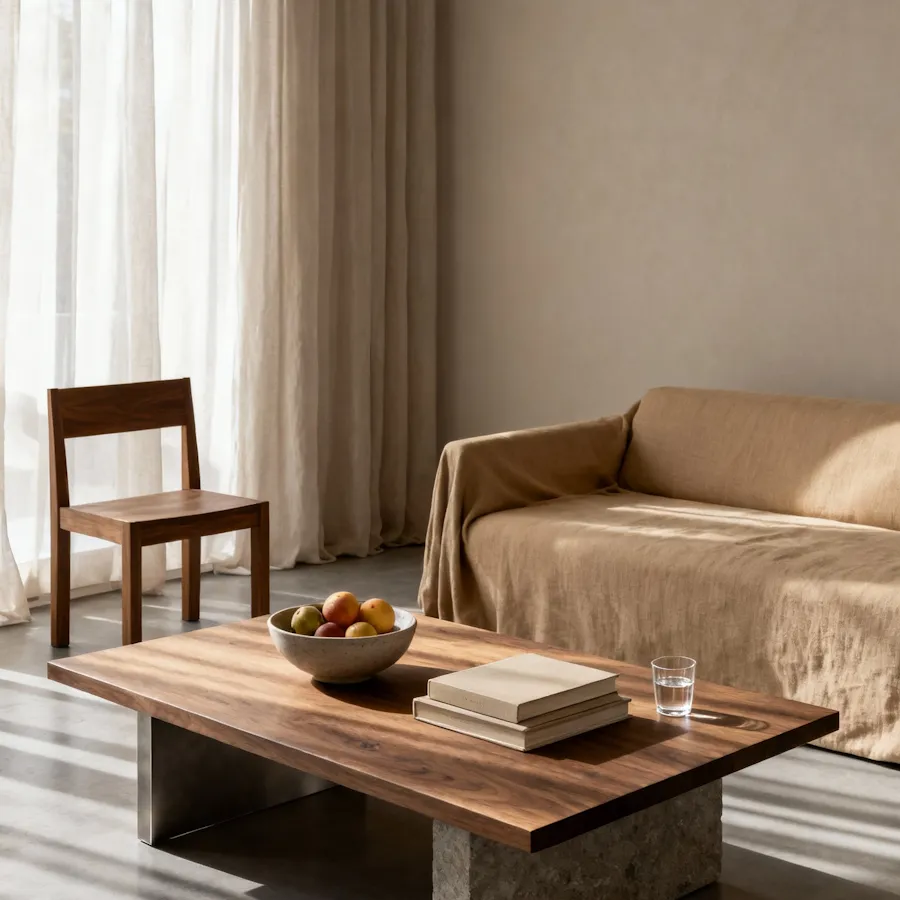
Designing rooms for low northern light
In Helsinki the winter sun barely clears the rooftops. Here is how we plan rooms that still feel bright from November to February.
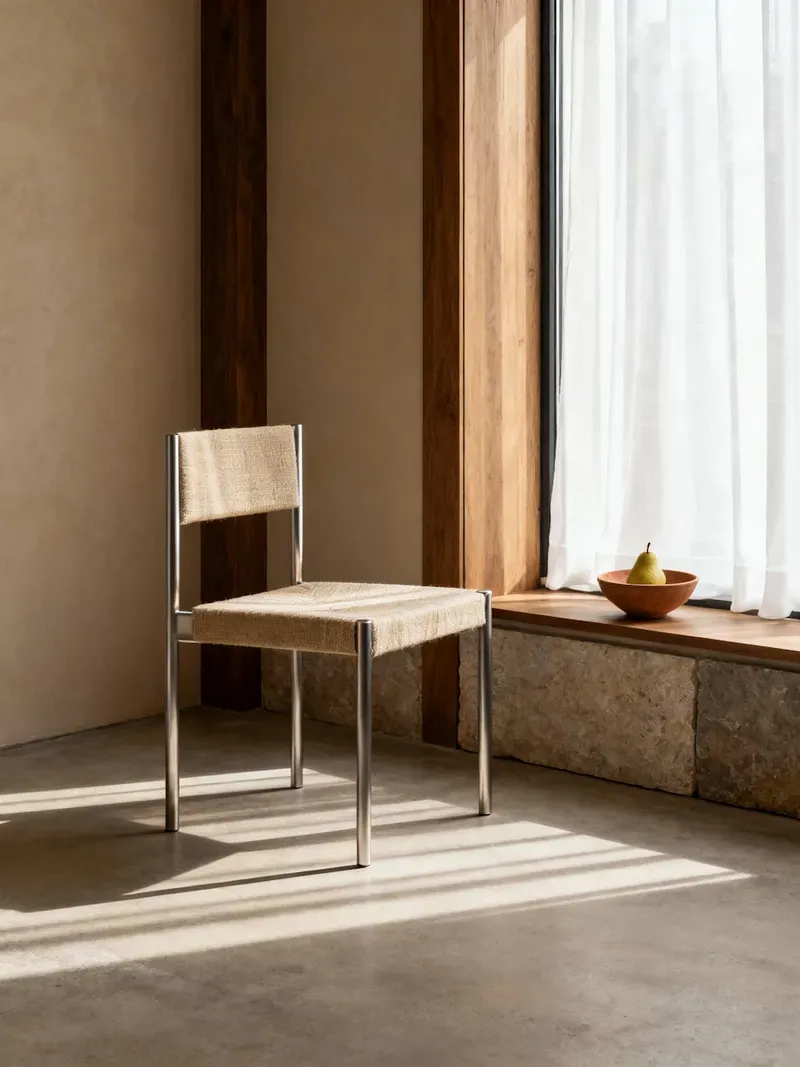
You will sit on it every day for twenty years. Here is the short list of checks every chair has to pass before it reaches a client.

Senior interior designer
Published
A dining chair is the piece of furniture people touch most and think about least. We spend more time choosing them than almost anything else in a room.
Not ten seconds. A chair that feels fine in a showroom can dig into your back halfway through dinner. We sit through a full coffee in every chair we shortlist.
If you cannot pull it out from the table with one hand, it will scratch the floor and nobody will use it. Light chairs get moved, and rooms with movable chairs get used.
Good chairs are made to be repaired. We check how the legs meet the seat, whether parts can be replaced and whether the maker still offers new seats in ten years.
Two chair types around one table can look relaxed. Four looks like a waiting room. We usually pair one main chair with a bench.
,Jordan Smith
In Helsinki the winter sun barely clears the rooftops. Here is how we plan rooms that still feel bright from November to February.
,Sofia Ramirez
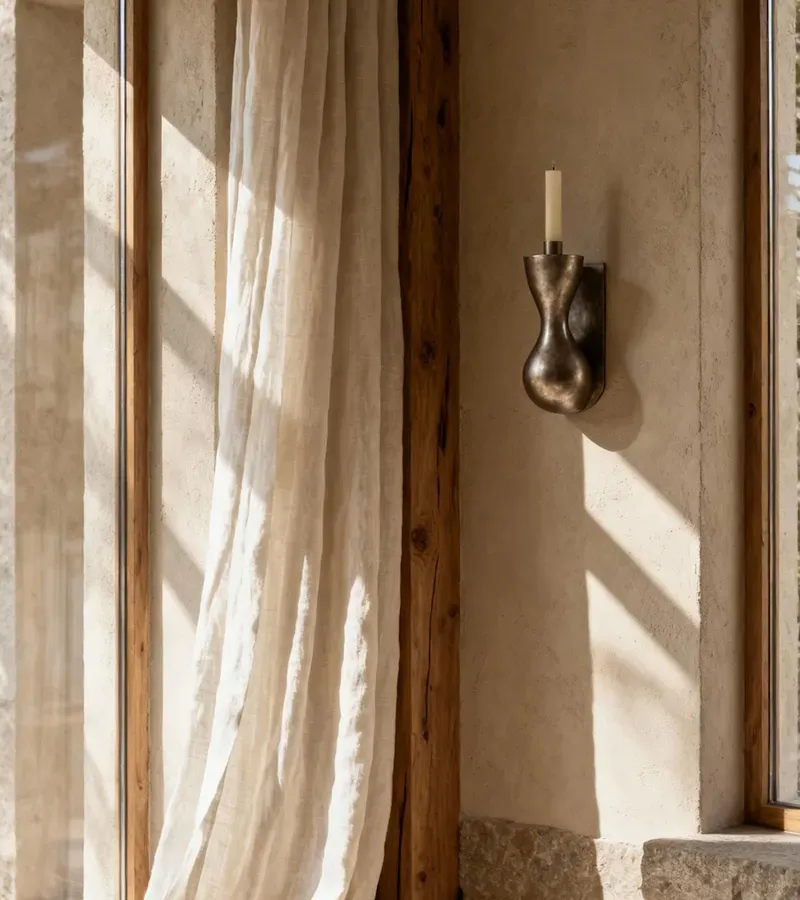
It cracks, it marks and it changes colour with the weather. It is also the finish our clients ask us about most.
,Jordan Smith
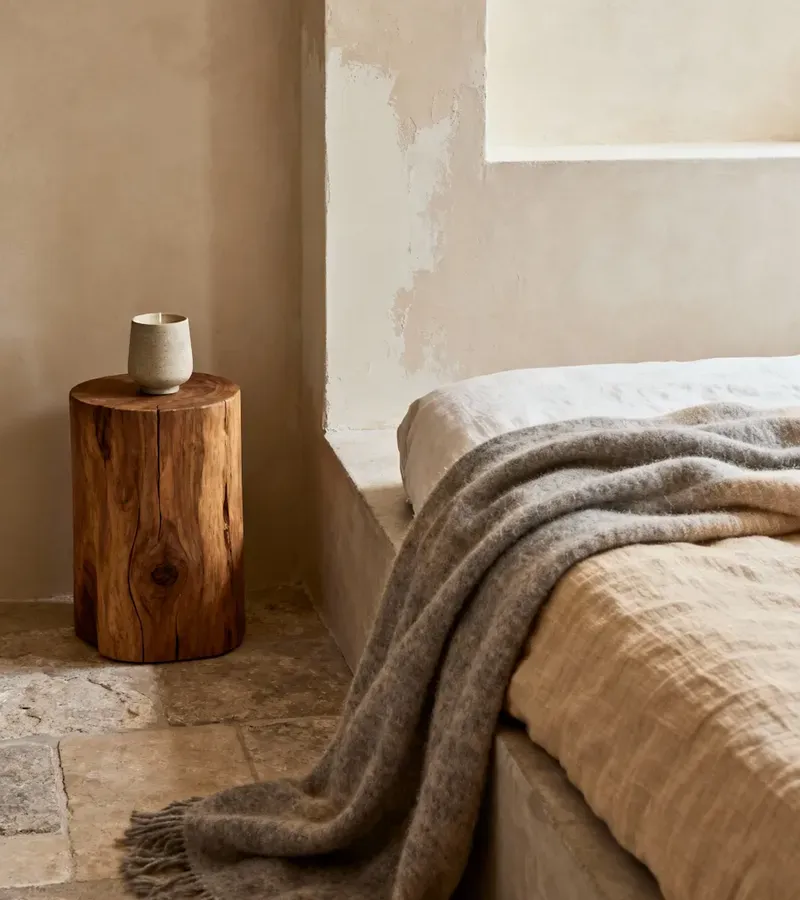
Not every flaw needs fixing. Notes from a stone house renovation on knowing when to stop.