
,Jordan Smith
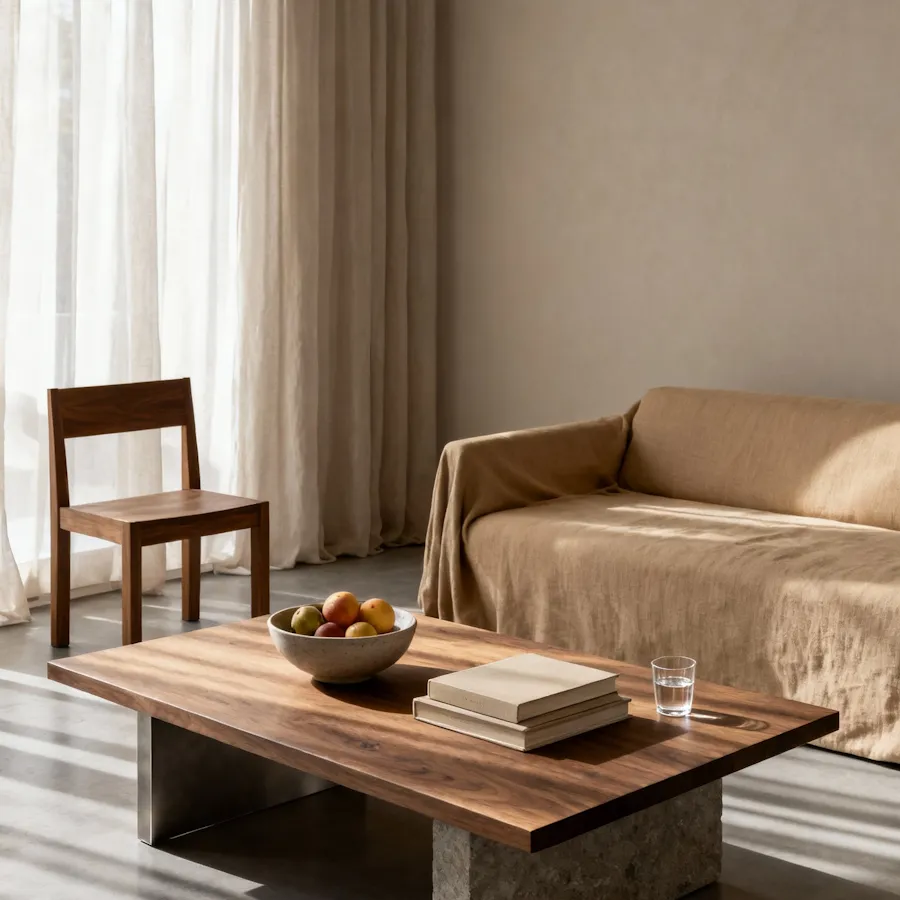
Designing rooms for low northern light
In Helsinki the winter sun barely clears the rooftops. Here is how we plan rooms that still feel bright from November to February.
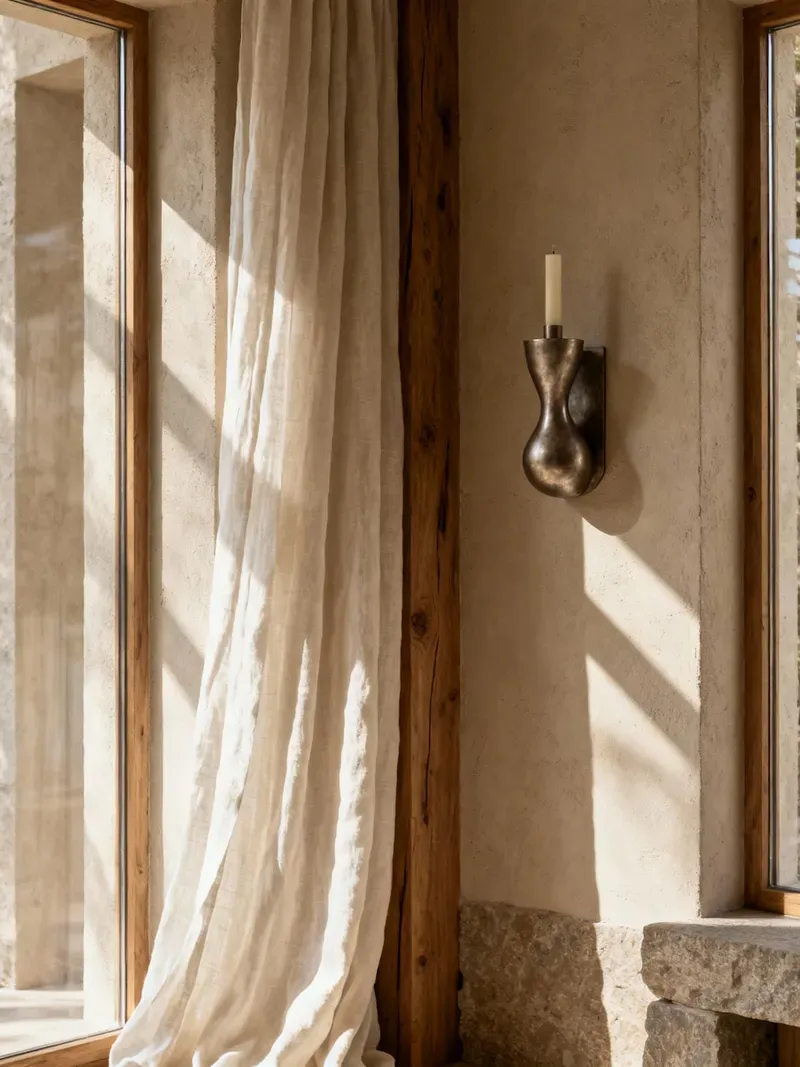
It cracks, it marks and it changes colour with the weather. It is also the finish our clients ask us about most.

Senior interior designer
Published
Almost every project we finish ends with the same question from a visitor: what is on the walls? The answer is usually lime plaster.
Lime plaster breathes. In old Nordic buildings, where walls need to dry out after a long winter, it helps keep damp away. In new homes it gives a soft, uneven surface that catches low light in a way paint never does.
It is not perfect, and it should not be. Lime marks, it shows the hand of whoever applied it and it can develop fine cracks in the first year. We tell clients this before we start, so the first hairline crack is a relief, not a shock.
We keep the colour close to the natural lime, with a little pigment to warm it up. We skip skirting boards where we can and bring the plaster straight down to the floor.
A soft brush for dust and a damp cloth for marks. Every few years a fresh coat of limewash brings it back.
,Jordan Smith
In Helsinki the winter sun barely clears the rooftops. Here is how we plan rooms that still feel bright from November to February.
,Sofia Ramirez
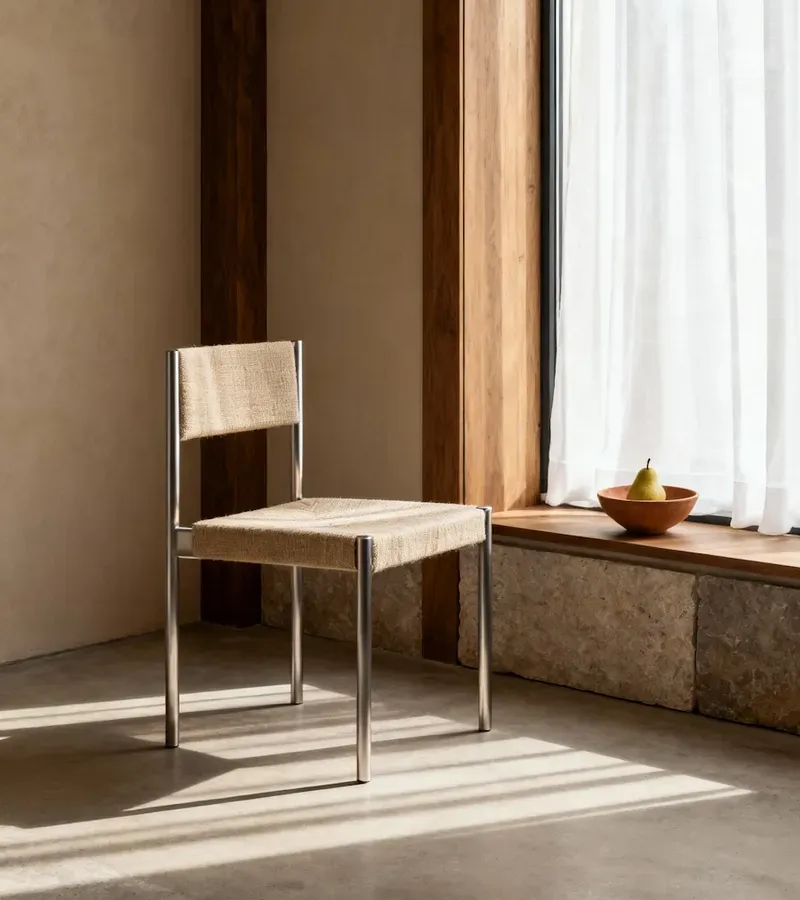
You will sit on it every day for twenty years. Here is the short list of checks every chair has to pass before it reaches a client.
,Jordan Smith
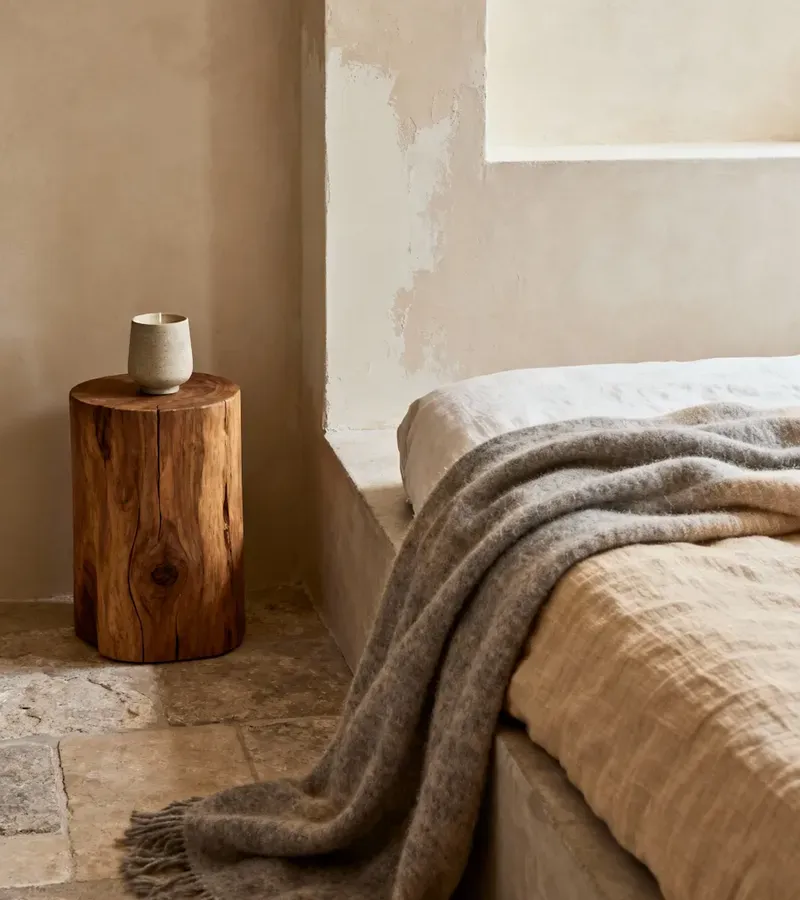
Not every flaw needs fixing. Notes from a stone house renovation on knowing when to stop.